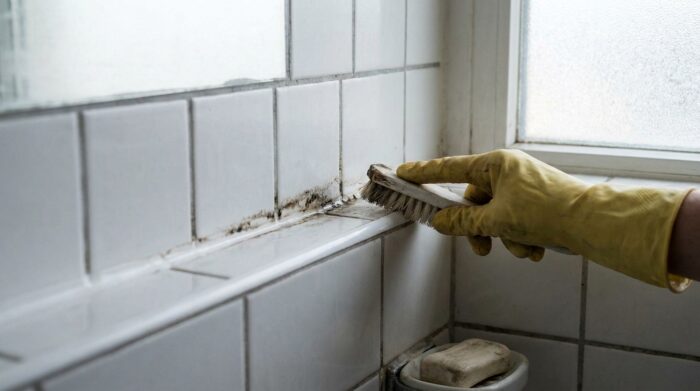
To remove mold from bathroom grout that is still intact, clean it with a suitable detergent, a brush and water, then rinse and dry it thoroughly. Ventilate the room and protect your hands and eyes. If the silicone is cracked, loose or moldy deep inside, remove and replace it rather than covering it up.
How do you clean intact grout?
Start by distinguishing cement grout between tiles from silicone caulk, which provides a watertight seal. This cleaning method applies to grout that is firmly in place and has no cracks or loose sections. For routine cleaning, the CDC says dish soap or bleach can be used to clean mold at home.
Apply one product only, scrub the grout with a brush, then rinse with water and dry thoroughly. Do not combine cleaning products. The CDC warns that bleach must never be mixed with ammonia or any other cleaning product, because these mixtures can produce dangerous fumes.
Open a window or door to let in fresh air while using cleaning products. Wear gloves and protective eyewear. The CDC also recommends suitable respiratory protection when cleaning mold. People with allergies, weakened immune systems or lung disease should not take part in the cleanup.
When should you replace silicone caulk?
Silicone caulk should not be treated like cement grout. If mold has penetrated deep into the silicone, surface cleaning is not enough: the Penosil manual says the caulk must be replaced. Cracks or loose sections are also signs that it should be removed, as they can let water through and lead to moisture damage.
If mold has developed beneath the silicone, remove the old caulk and clean any marks underneath before applying new caulk. Do not cover the old bead to hide the stains. New silicone should be applied to a clean surface.
How can you prevent mold from coming back?
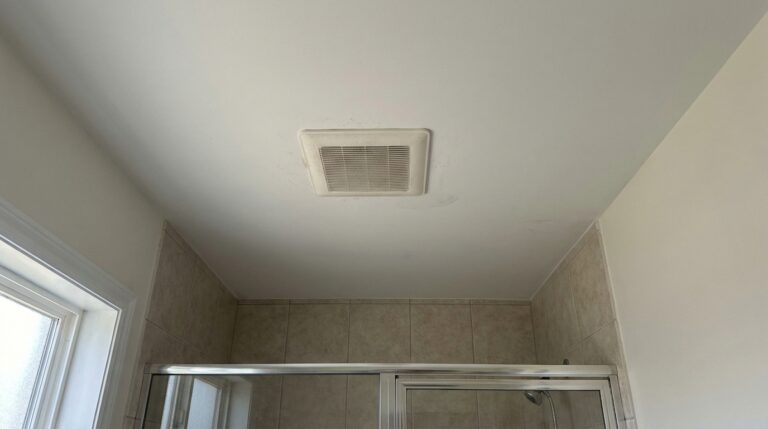
After showering, ventilate the bathroom to clear out water vapor. According to Anses, ventilation and properly functioning systems help prevent moisture buildup. This does not replace removing damaged silicone, but it helps reduce moisture in the room.
Keep an eye on the grout. If a stain remains in cement grout, the cited advice does not specify when cement grout should be replaced. The criteria for silicone are clearer: deep mold, cracks or loose sections call for replacement.
What should you know before replacing silicone caulk?
Before choosing new sealant, identify the type of surface. Bostik France distinguishes between nonporous surfaces, such as ceramic or enamel, and synthetic surfaces, such as resin, plastic or acrylic. The company says neutral-cure silicone is suitable for synthetic or unknown surfaces, while acetoxy-cure silicone is suitable for the non-synthetic surfaces mentioned.
Follow the instructions from the sealant manufacturer. The information cited does not specify the price, the drying time for a particular product or how long it takes to replace a bead of caulk. Do not use the shower again until the product instructions say it is safe.
Frequently asked questions
Can you clean moldy grout with bleach?
The CDC says bleach can be used to clean mold at home. Ventilate the room, and never mix bleach with another cleaner, including ammonia.
Should you remove blackened silicone caulk?
Yes, if the mold is deep, the silicone is cracked or it is coming loose. Remove the old caulk and clean any marks underneath before applying new caulk.
How can you keep mold from coming back in the bathroom?
Ventilate the bathroom after showering to clear out water vapor, and check that the ventilation system is working properly. These steps help limit moisture.
What kind of silicone should you use for bathroom caulk?
The choice depends on the surface. Bostik France recommends neutral-cure silicone for synthetic or unknown surfaces, and acetoxy-cure silicone for non-synthetic surfaces such as ceramic or enamel.