A budget bathroom remodel is mostly about deciding what not to touch. Plumbing moves, new walls and full tile tear-outs are what make bathroom projects expensive. Keep those in place, and a modest budget can go a long way on the surfaces and fixtures you see and use every day.
Here is how to sort what to keep from what to change, the inexpensive upgrades that make the biggest difference, and the few things worth paying for even on a tight budget.
Keep: the expensive-to-move parts
- The layout. Leaving the toilet, sink and tub or shower where they are avoids opening floors and rerouting drains, often the costliest part of any remodel.
- A sound tub. If the tub is not cracked, professional reglazing or refinishing changes its color and finish without demolition.
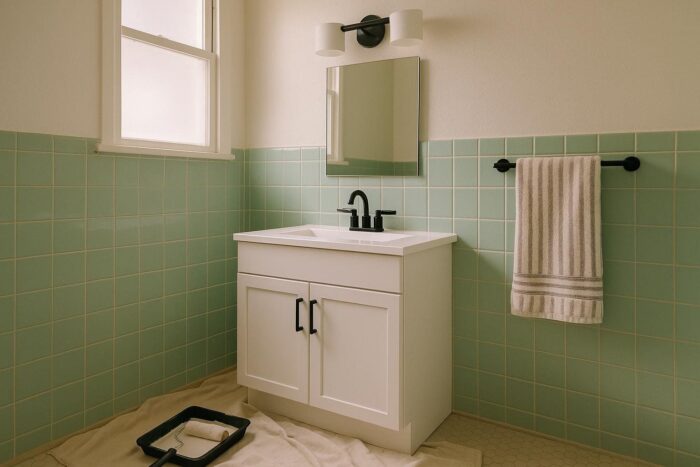
- Good tile. Tile in a neutral color that is not cracked or loose can stay. Deep cleaning and regrouting often make it look years younger.
- The vanity box. A solid vanity can be painted, fitted with new hardware and topped with a new counter and faucet.
Change: the upgrades with the biggest impact
Paint
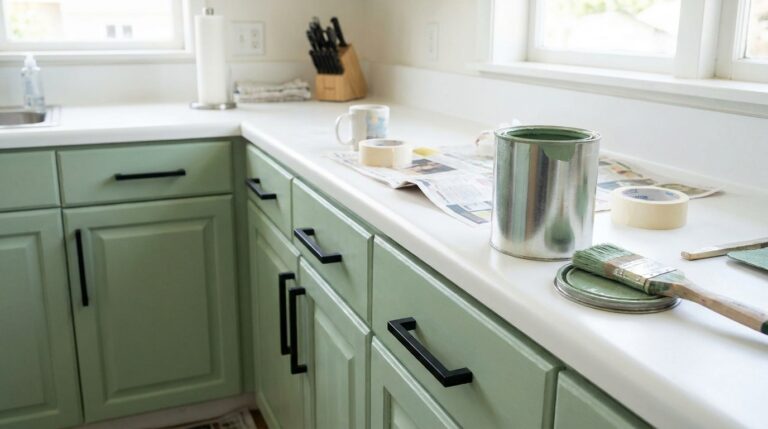
Fresh paint is the cheapest way to change a bathroom. Use a paint made for humid rooms, usually in a satin or semi-gloss finish that resists moisture and wipes clean. Light colors help a small room feel larger.
Faucet, shower head and trim
Swapping the faucet, shower head and valve trim in one matching finish instantly updates the room. Check that the new valve trim fits the existing valve body before buying, or you will need to open the wall.
Lighting and mirror
Replacing a dated light bar with sconces or a single modern fixture, and a plain mirror with a framed one, changes the whole feel of the vanity wall.
Hardware and accessories
New cabinet pulls, towel hooks, toilet paper holder and a shower curtain on a ceiling-mounted rod cost little and tie the room together.
Caulk and grout
Removing old, stained caulk and recaulking the tub and sink is one of the most effective cheap bathroom remodel steps. Grout can be cleaned, recolored with a grout colorant or partly replaced.
Flooring
If the floor tile is the problem, peel-and-stick vinyl or luxury vinyl plank rated for bathrooms can go over some existing floors. Check the manufacturer’s instructions, since the old floor must be flat and sound, and the toilet usually has to come up.
Budget small bathroom ideas that make the room look bigger
- Replace a framed shower door with a simple clear panel, or use a light curtain hung close to the ceiling.
- Choose a wall-hung shelf or a slim over-the-toilet unit instead of freestanding furniture.
- Limit the palette to two or three colors and finishes.
- Use a larger mirror to reflect light around the room.
- Clear the counter: a small tray and one wall shelf are enough.
DIY or hire out?
Labor is a large share of any bathroom bill, so doing some of the work yourself is the most direct way to make an inexpensive bathroom remodel possible. Tasks most homeowners can handle include painting, swapping cabinet hardware, installing towel hooks and shelves, recaulking and replacing a mirror. A faucet or shower head swap is manageable with basic tools if the connections are standard.
Hire out anything that involves water lines behind the walls or new wiring. A hidden leak or a bad connection can cost far more to repair than the labor you saved, and this work often needs a permit anyway.
Where not to cut corners
An affordable bathroom remodel should still protect the house. Spend where failure would be costly:
- Waterproofing and leaks. If you see soft drywall, loose tile or stains on the ceiling below, fix the cause before any cosmetic work.
- Ventilation. A working exhaust fan vented outside prevents mold and peeling paint.
- Electrical work. New circuits and fixtures near water belong to a licensed electrician where required. Bathroom outlets need GFCI protection under current codes.
- Shower valves. The IRC requires pressure-balance or thermostatic valves in showers, with a high-limit stop set to 120°F or lower. Replacing the valve body is a plumbing job, not just a trim swap.
How far a small budget can go
A small budget goes furthest when the project stays cosmetic: paint, fixtures, lighting, hardware and some DIY labor, with the layout unchanged.
If the budget allows more, prioritize in this order: fix water problems, improve ventilation and lighting, then update the most-used fixtures. A new tile shower or vanity can come later.
When a cosmetic refresh is not enough and you are ready for a full small bathroom remodel, plan the steps and clearances before you spend. And for low-cost styling and storage inspiration, browse our ways to make a compact bathroom work harder.
Budget bathroom remodel FAQ
What is the cheapest way to update a bathroom?
Paint, new caulk, a new faucet and shower head, updated lighting and new hardware. None of them requires moving plumbing.
Can I paint bathroom tile?
Specialty tile paints and professional refinishing exist, but painted tile inside a shower wears faster. It holds up better on walls outside the wet zone.
Is reglazing a tub worth it?
For a sound tub with a dated color or worn finish, it avoids demolition and replacement. A cracked or leaking tub should be replaced.
Which bathroom work should I not DIY?
Moving plumbing, replacing a shower valve body and adding electrical circuits. They often require permits and licensed trades.